
Welcome to Maasai Mara National Park, Kenya
When you think about a safari in Kenya, the Maasai Mara National Reserve is such an exceptional destination that it should strike your mind. This reserve is among the most exceptional travel destinations and is globally famous for its distinct wildlife and splendid landscapes. Maasai Mara National Reserve straddles the mighty Rift Valley, along the fault line of a 5,600-kilometre-long stretch from Ethiopia’s Red Sea via Kenya, Malawi, Tanzania and Mozambique, in the vast grassland of Narok County, southwestern Kenya.
The Mara extends into Tanzania’s Serengeti National Park. Its topography features largely vast savanna grassland with scattered acacia trees that thrive in the southeastern part of this protected area. The Mara and Talek Rivers flow through the rolling plains of Maasai Mara Reserve, though numerous seasonal Rivers appear during the wet season but dry out as soon as the rains stop.
This reserve was established as a wildlife sanctuary in 1961 and covered about 250 square kilometres. It was expanded to the East and covered an area of about 1821 square kilometres, which later became a game reserve, and a portion of it was declared a national reserve in 1974. The Maasai Mara National Reserve was then further reduced to 1510 square kilometres, and this is its current size.
The Maasai Mara National Reserve was named in remembrance of the Maasai, the indigenous people of this region, where the protected area currently straddles. The Maasai were ancient pastoralists famous for their warrior practices and once required to kill a lion to prove manhood and strength. These people are also famous for their red robes and beaded jewellery, and for their constant movement in search of pasture and water for their livestock.
While some of these people have left pastoralism and adjusted to modern life, most still maintain their traditions, such as initiation rituals for boys into manhood and defined roles and responsibilities for women and men of every age within a society.
Maasai Mara National Reserve features 4 major kinds of landscapes and they include the Mara triangle bordering Mara River with Verdant grassland and acacia woodlands supporting vast wildlife species including the migrating wildebeests, the Ngama hills to the east with sandy soil and leafy bushes that feature most of the black rhinos, the central plains make up the most expansive portion of the national reserve with dotted bushes and boulders on the rolling grasslands and are loved by the plains wildlife, and lastly the Oloololo escarpment which makes the western border area of the reserve and rises to amazing plateau. The Maasai Mara National Reserve is the only part of the Greater Mara Ecosystem, which covers most ranches such as Ol Chorro, Lemek, Siana, Oloirien, Ol derkesi, Oirowua, Naikara, Koiyaki, Olkinyei, Kerinkani, Kimintet, and many more.
Maasai Mara National Reserve stretches to altitudes of 1486 to 2149 meters, hence providing it with a humid climate and average temperatures compared to the rest of Kenya. Temperatures at the reserve stand at 30 degrees Celsius during the day and drop to 15 degrees Celsius at night. It experiences its rains from March to May and the short rains from November to December. From July to October, the reserve is dry, vegetation is dense, and temperatures are ideal for visitor safaris. Its peak season usually runs from December to January, and these months are characterised by hot temperatures. Between June and July, the reserve experiences cool temperatures.
What to see in The Masai Mara National Reserve
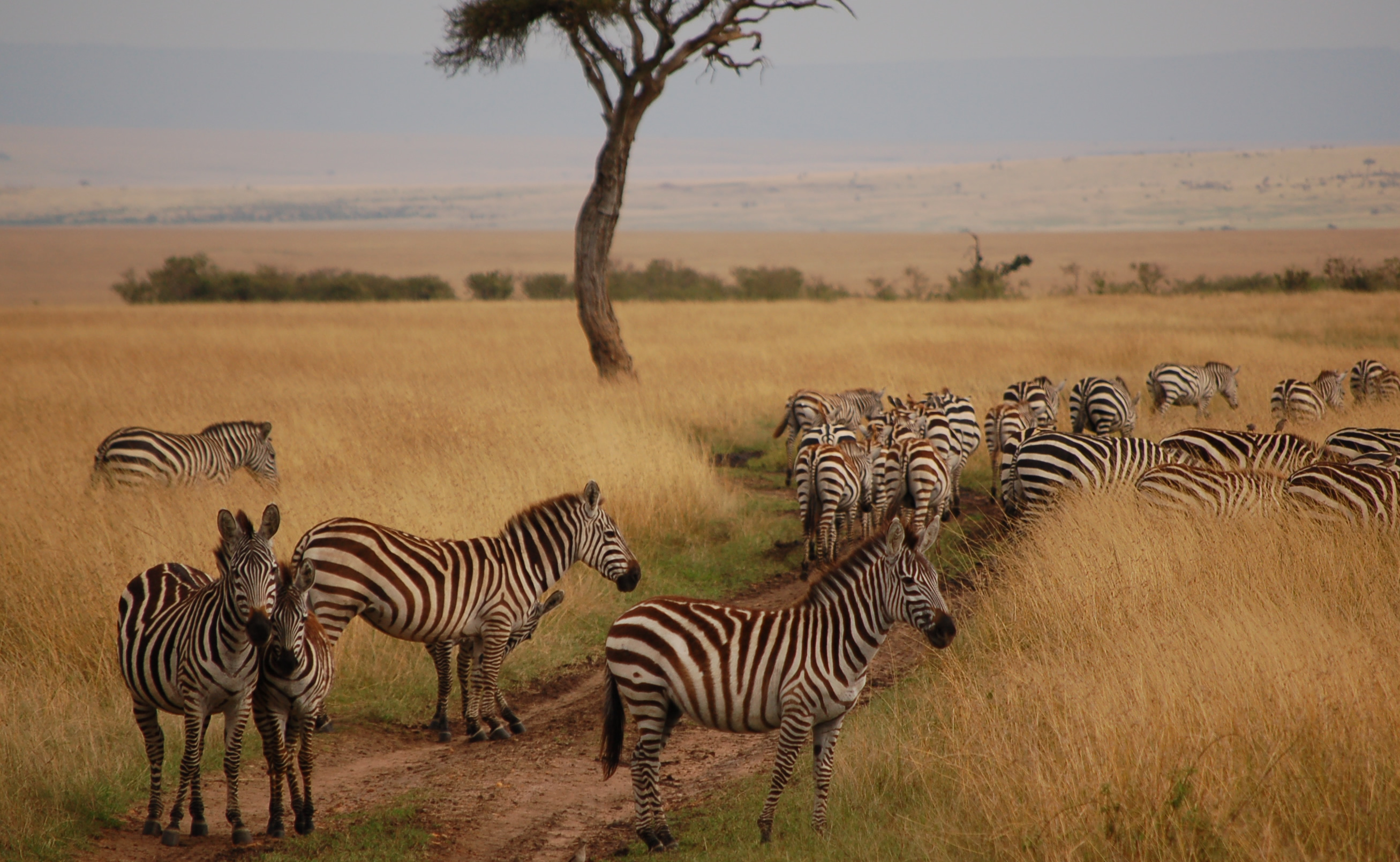
The Masai Mara National Reserve is well known for its annual wildebeest migration, when more than 2 million wildebeests, zebras, and antelopes cross the borders of the Serengeti National Park and the Mara. From the end of July to November, millions of wildlife species scatter the great plains of the Maasai Mara, making it one of the most jaw-dropping natural wonders. Maasai Mara National Reserve features more than 95 species of mammals, amphibians and reptiles.
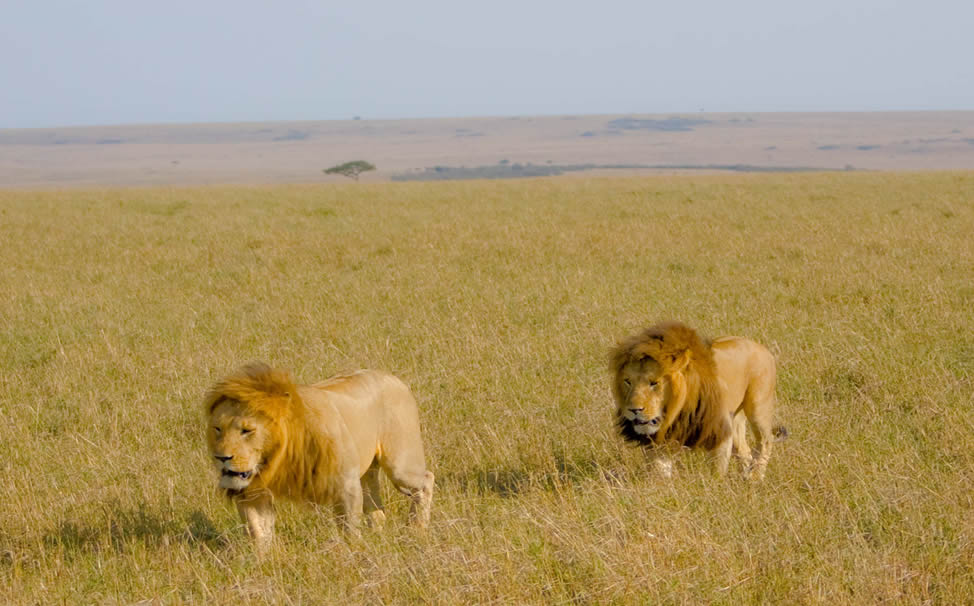
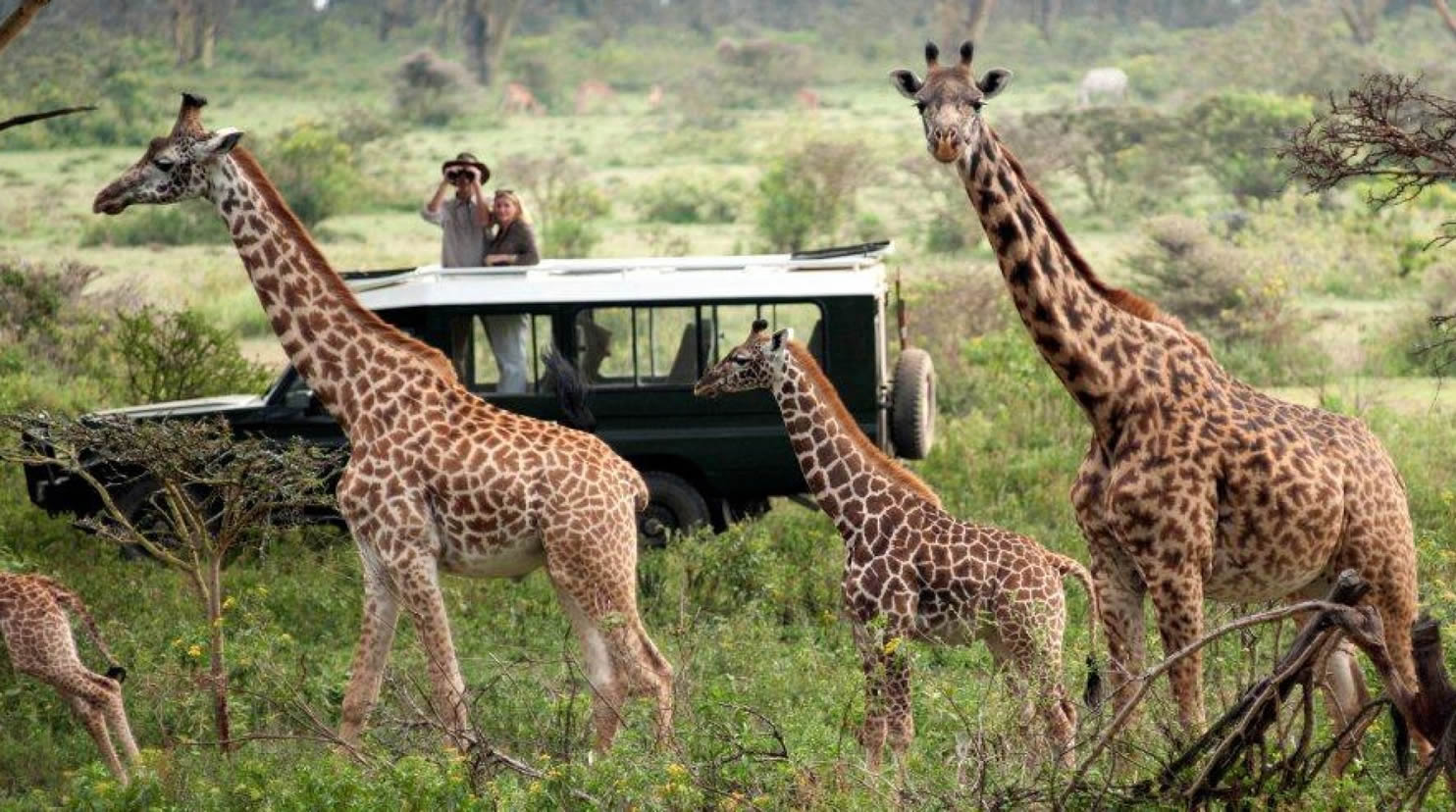
The notable wildlife species include the big five game in Africa-Cape buffaloes, leopards, African elephants, African lions and black rhinos, cheetahs, hippos, crocodiles, zebras, warthogs, giraffes, bat-eared foxes, hyenas, jackals, baboons and antelope families especially the reedbucks, waterbucks, Thomson gazelles, hartebeests, Oribis, roan antelopes, duikers, impalas, grant’s gazelles, elands, topis and others. More than 470 bird species thrive within this reserve, making it one of the birders’ havens in Kenya; most are migratory, and over 60 are raptors.
The other bird species include Jackson’s bustards, vultures, African pygmy or pygmy falcons, lilac-breasted rollers, the national bird in Kenya, black-bellied hart laub’s bustards, grey crowned cranes, guinea fowls, pel’s fishing owls, red-winged Schawlow’s Turacos, secretary birds, Ostriches, hornbills, long crested eagles and many more. For visitors on safari to this reserve, notable activities include night game drives, game drives, birding, hot-air balloon rides, wedding photography, bush meals, breakfast, lunch, and dinner, visits to Maasai cultural villages, and more.
When to visit Masai Mara National Reserve
Maasai Mara National Reserve can be visited at any time of the year, but the high season is between July and October, and November to February is also perfect for game drives.
Where to stay in Masai Mara National Reserve
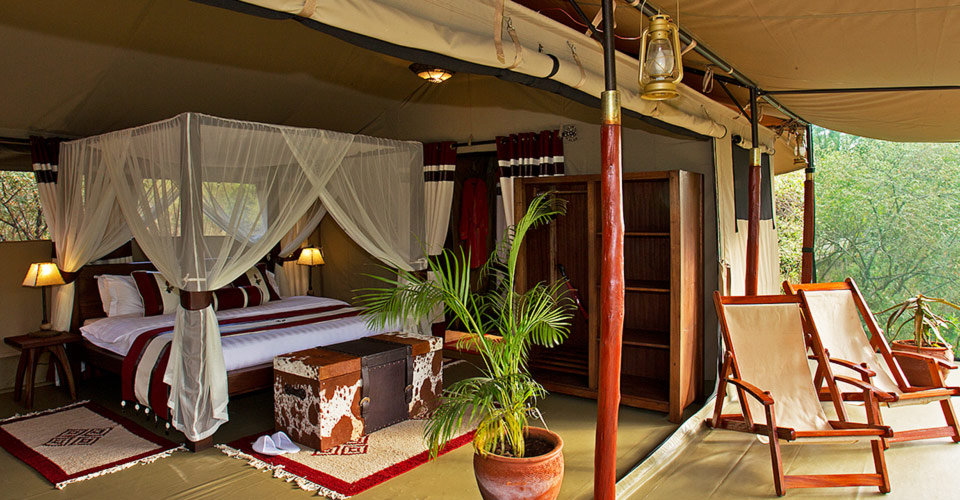
The Masai Mara National Reserve has several lodging and accommodation facilities for you to spend a night while on your safari in Kenya. Most of these include the Maasai Serena Safari Lodge, Keekorok Lodge, Bateleur Camp, Fairmont Mara Safari Club, Governors Private Camp, Base Camp Maasai Mara, Mara Bush Camp, Kichwa Tembo Tented Camp, Mara Plains Camp, Olonana Tented Camp, Mara Expedition Camp, Elewana Sand River, Mpata Safari Club, Matira Camp, Acacia House, Mara West Chalets, Mara Ngenche Luxury Tented Camp and others.
Getting to Masai National Reserve
Maasai Mara National Reserve is situated about 241 kilometres southeast of Nairobi, the capital city and visitors can reach this reserve by air and road. By road, you can take a bus, taxi, or private transport from Nairobi to the Maasai Mara, and the journey takes about 5 hours. Visitors are encouraged to use 4-wheel-drive safari cars to navigate the muddy routes to the reserve. For visitors who opt for scheduled flights, there are scheduled flights from Jomo Kenyatta International Airport or Wilson Airport in Nairobi to Keekorok, Olkiombo and Musiara airstrip.
Lastly, the Masai Mara National Reserve is among the most famous protected areas in Kenya and should be on your must-visit list, especially if you are interested in exploring wildebeests in the wilderness and several of Africa’s big game.