
Kasubi Tombs in Kampala – Uganda, World Heritage Site by UNESCO
The Kasubi Tombs site is situated on Kasubi Hill-Nabulagala. It is strategically located 5 km from Kampala city centre, along the Kampala-Hoima Road. From Kampala city centre, pass Makerere University (the oldest and first University in Uganda), head to Nakulabye town. When you reach Nakulabye roundabout, go right onto Hoima Road, drive 1 kilometre, and turn left to go up the Kasubi Hill.
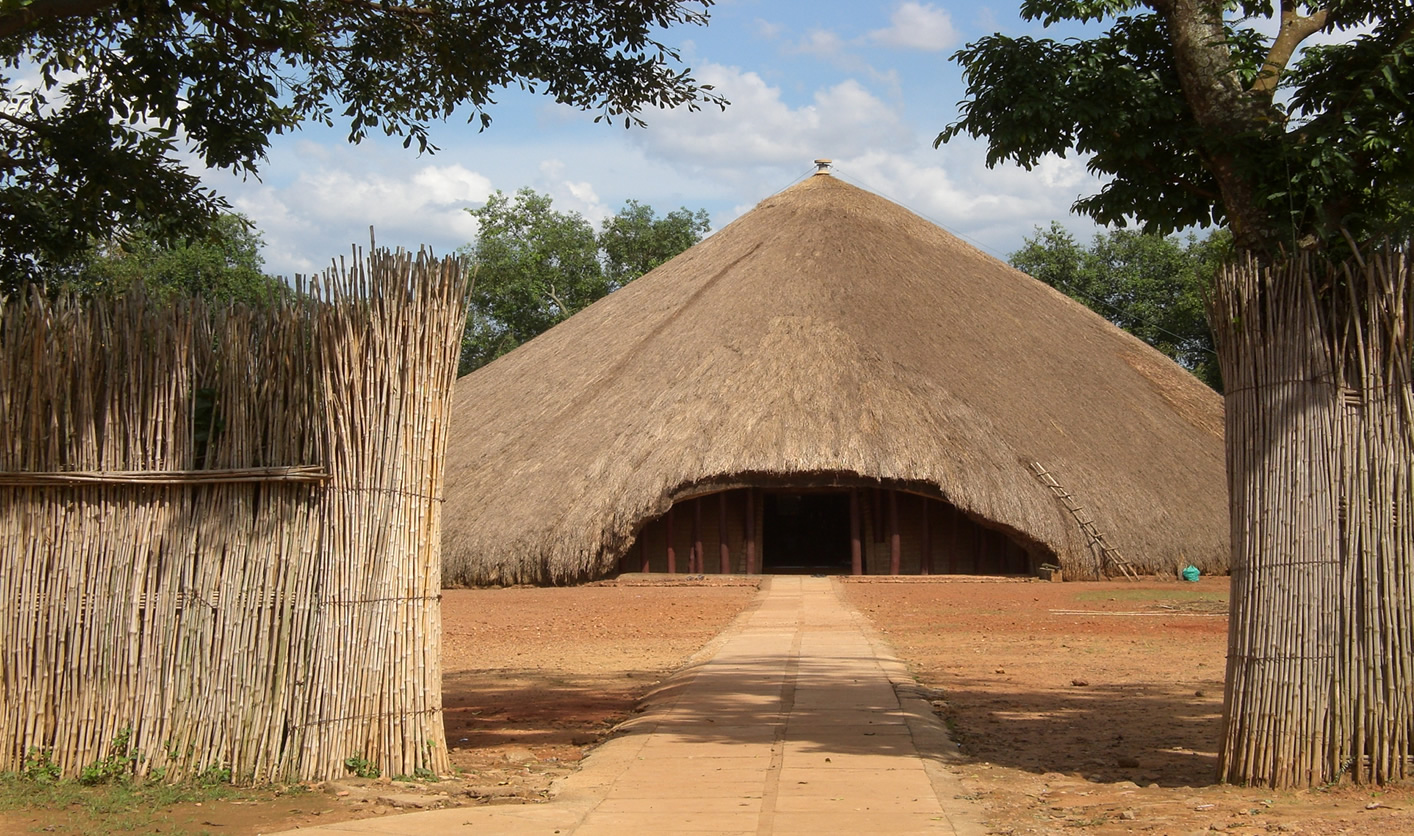
At the top of the hill, turn left onto Masiro Road and follow it to the entrance of Kasubi Tombs, which is marked by a thatched hut. The trip is approximately a 15-minute drive from Kampala city centre when traffic is free-flowing.
The Kasubi tombs site is an active religious place in the Buganda kingdom. It’s place, as the burial ground for the previous four Kabakas, locally known as the “sekabakas” of Buganda. The graves make this place a very important religious centre for the royal family, a place where the Kabaka and his representatives frequently perform rituals central to Ganda culture. It should also be noted that the tombs generate significant foreign exchange for the Buganda kingdom and the country at large.
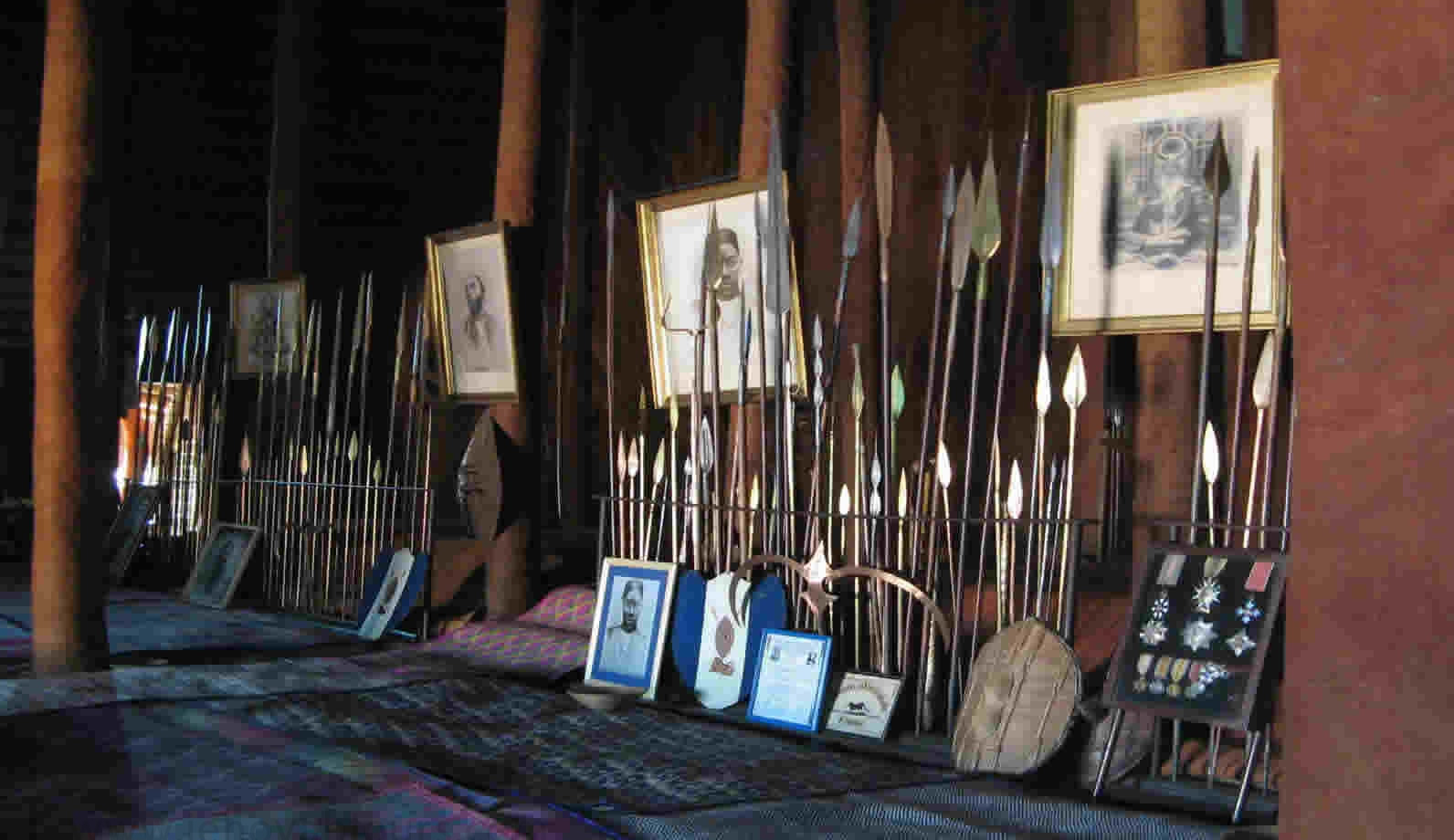
It is now four and a half years since the fire reduced Kasubi tombs to ashes. It was painful to see the tomb flaming, which not only affected the Buganda kingdom but also to the entire country because it resulted in the reduction of the number of tourists who used to visit this world heritage site.
The coronation of the new prime minister of Buganda – Charles Peter Mayiga washed the tears of many Baganda since he initiated the reconstruction of the tombs through his project known as collecting “ Etofaali”, meaning soliciting funds for the restoration of the tombs.
Mayiga launched a fundraising campaign for the reconstruction of Kasubi Tombs in many regions of Buganda and beyond, wishing the best for Buganda, including Ankole and Busoga. He also went on to move abroad to countries like the United Arab Emirates to meet Ugandans in the diaspora. All in all, the Katikkiro has been successful, and the reconstruction is soon to be accomplished.
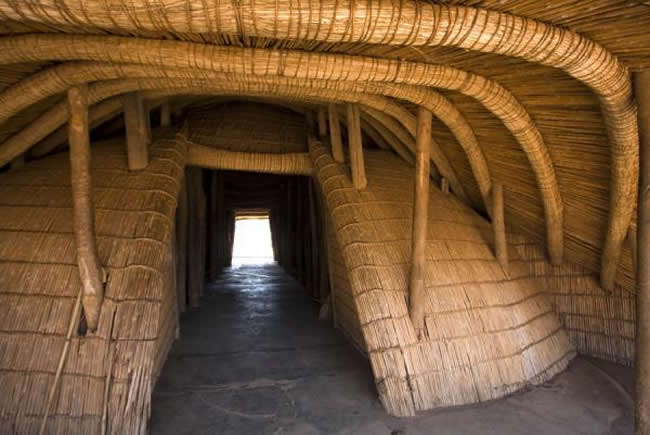
Kasubi Tombs Entrance
From Kasubi tombs, it’s an 8-hour drive to Bwindi Impenetrable National Park; therefore, it is wise to visit the tombs for a cultural experience and, on the same safari, track gorillas in Bwindi Impenetrable National Park. It is on record that Bwindi Impenetrable National Park hosts almost half of the world’s mountain Gorillas. Ten Gorilla families are habituated here, including Mubare, Habinyanja, Rushegura, Bitakura, Oruzogo, Kyaguriro, Nshongi, Mishare, Kahunje, and Bushenje.
The Kasubi Tombs at Galace:
Four Buganda Kings (Bassekabaka) are buried at Kasubi tombs, and they include:
Muteesa I was the first Kabaka to be buried in Kasubi Tomb, the 35th King of Buganda. The dates of the reigns of the Kabakas are known only precisely for Ssekabaka Suuna II, who ruled from 1836 to 1856.
Muteesa I was the first Kabaka to be buried in Kasubi Tomb, the 35th King of Buganda. The dates of the reigns of the Kabakas are known only precisely for Ssekabaka Suuna II, who ruled from 1836 to 1856.
Daudi Chwa II, a Kabaka buried at the tombs, Muteesa I (1835-1884), Basamula Mwanga II (1867-1903)
Daudi Chwa II (1896-1939), Fredrick Walugembe Muteesa II (1924-1969)
The Baganda are Bantu-speaking people and date their political civilisation back to the 13th century A.D. According to oral traditions, the first Kabaka of Buganda was Kintu. He is said to have come with his wife Nambi, whose hand he won by performing heroic deeds at the command of her father Ggulu, the god of the sky.