Kidepo Valley National Park
A few areas in the world reward visitors with authentic African experiences, as is the case in the
Kidepo Valley National Park. This 1442-square-kilometre national park is located in the rugged semi-arid Karamoja province valleys, just on the extreme Northeastern side of Uganda, at the border between South Sudan and Kenya.
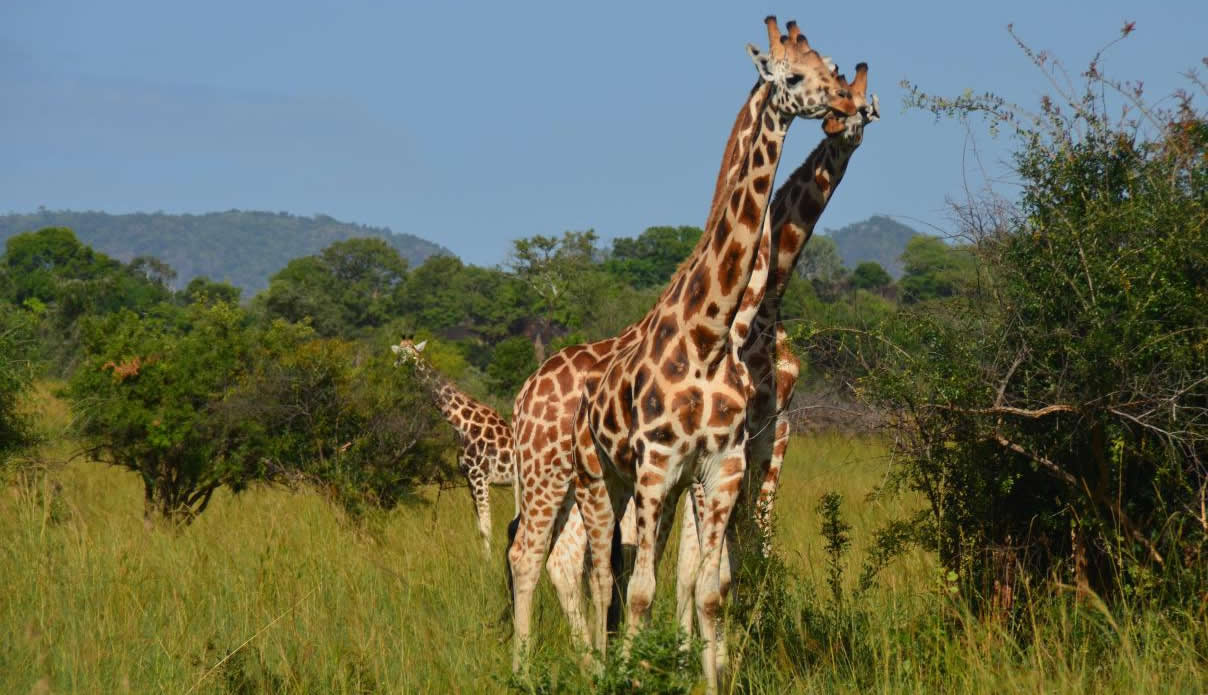
Kidepo Valley National Park is one of the remotest
destinations in Uganda, yet it offers some of the most stunning scenery that remains largely unexplored. If you are interested in the most splendid savanna landscapes, a
safari to Kidepo Valley National Park is worth undertaking during your
vacation in Africa. The park spans a vast latitudinal range, which supports a wide range of climatic conditions, resulting in extremely diverse vegetation.
As a result, today, vast numbers of wildlife species thrive in this protected area, with a majority that you may not find in any part of the country. Kidepo Valley National Park lies at altitudes of about 914 to 2749 meters, with its main habitats comprising semi-arid scrub, vast thorn scrub, thorn bush, long- and short-grass open tree savannas, riparian woodland that includes borassus and Kigelia, thick Miombo-like woodland, montane forest, and granite outcrops.
The park was established in 1954 primarily to provide refuge for its incredible tourist attractions. About 480 distinct bird species call Kidepo Valley National Park home, ranking it second to
Queen Elizabeth National Park for the largest number of
bird species in Uganda. The uncommonly spotted and most sought-after bird species in the park include the Karamoja apalis, the black-breasted barbet, and many others.
Tourist Activities in Kidepo Valley National Park
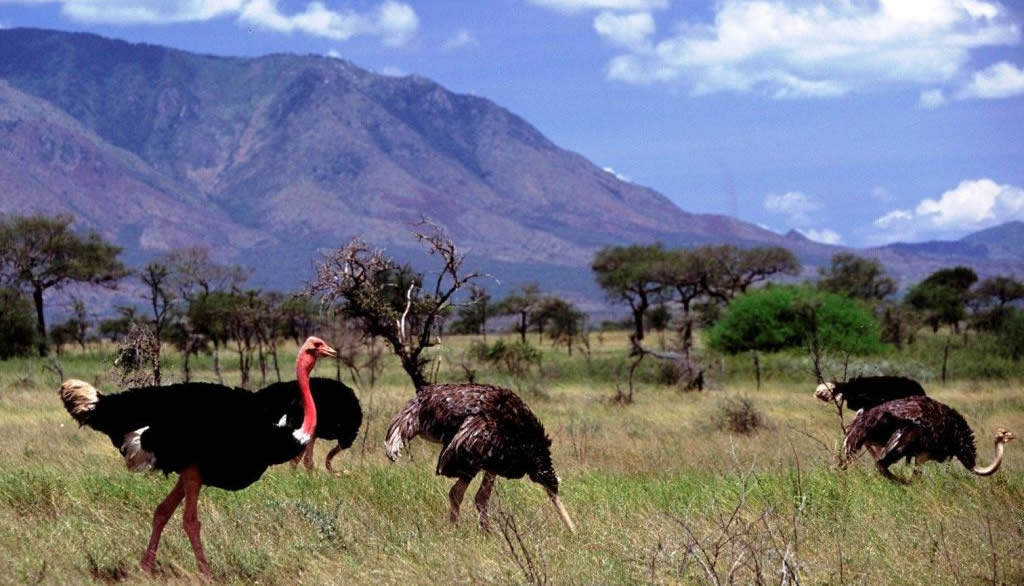
With over 480 bird species, Kidepo Valley National Park is undeniably one of Uganda’s birding paradises that shouldn’t be missed off your bucket list. The park offers birders lifetime experiences, especially with its countless rarest avian species readily available for visitors to explore. The Apoka Rest Camp and the park headquarters, which overlook the shallow southern Narus valley, are among the best birding sites for bird lovers to achieve their dreams while on
safari in Uganda.
The notable bird species for you to spot out at the park include silver birds, yellow billed shrikes, broad tailed warblers, Clapperton’s francolin, black coucal, marsh tchagra, crimson rumped waxbillood, African moustched, vinaceous dove, long tailed and standard winged nightjars, mosque swallow, scarlet chested sunbird, Rupell’s and super starlings, little weaver and red cheeked cordon bleu, white bellied and hartlaub’s bustards, eastern pale chanting go shawk, Nubian woodpecker, pygmy falcon, black headed plover, Abyssinian and Rufous crowned rollers, Abyssinian ground, four banded sand grouse, ostrich, red winged lark, African grey flycatcher, little green bee eater, white faced scoops owl, slate colored boubou, fan tailed raven, mouse colored penduline and many more. The park can be visited year-round, but for
birding safaris, you can visit from March to April.
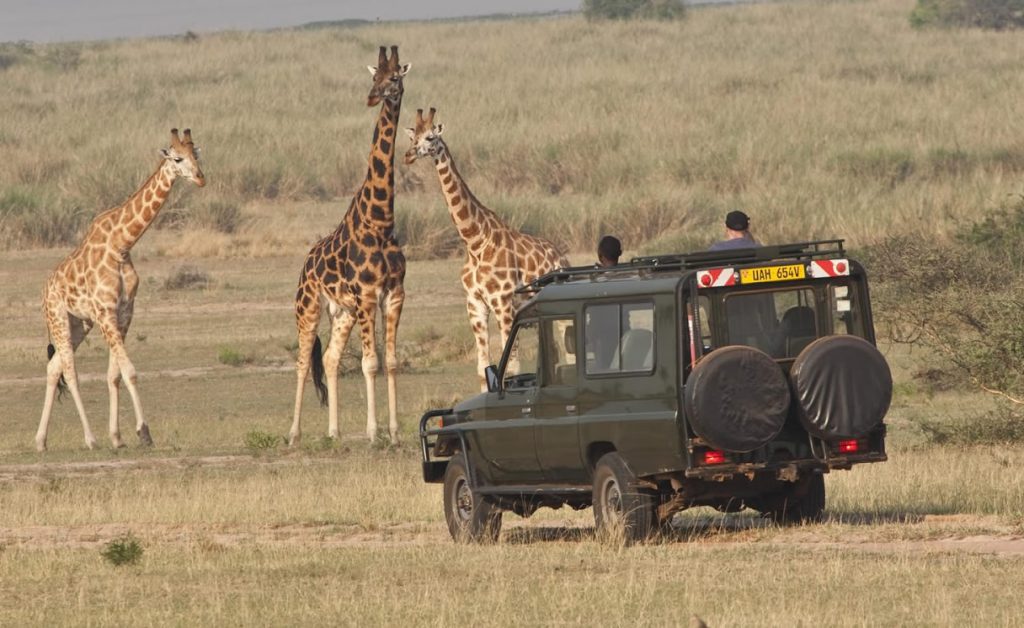
Kidepo Valley National Park offers refuge to a variety of wildlife species. Around 1971, approximately 80 mammal species were recorded at the park, including 28 not found in any other national park in Uganda. The rarest carnivore species in the park and the Karamoja area are the bat-eared fox, striped hyena, caracal, cheetah, hunting dog, and aardwolf.
However, due to severe poaching, especially around Amin’s time, the park is still recovering from the impact that claimed large herds of wildlife species. While on game drive along the savanna grassland of Kidepo Valley National Park, never miss to spot out most of the wildlife species like the Rothschild giraffes, cape buffaloes, elands, elephants, bush pig, Jackson’s hartebeests, waterbuck, leopards, lion, spotted hyenas, black backed jackal, side striped jackal as well as its 5 rare primates like the endemic kavirondo bush baby and others.
Hiking experiences are normally conducted just a few kilometres off the park headquarters along Mount Lamoj. The stunning Kidepo River Valley is mainly characterised by the Borassus palm forest and is easily accessible to visitors. The park’s wide, flat bed is dry, and its valley is also home to the Kanangorok hot springs. Its mountain and savanna landscape, the Narus valley, located in the southwest of the protected area, features among its most remarkable tourist attractions. This is divided by the Natira and Lokayot hills, which lie to the northeast of Kidepo Valley. The Lotukei Mountains, South of Sudan, mark the northern boundary of the protected area, as well as the Morungole ranges, where we find the endangered
Ik tribe.
Kidepo Valley National Park is also an incredible area for picnic tours, especially its river site, which is situated along the sand, and the sound of palm leaves in constant motion, blown by the wind, rewards visitors with the most thrilling experiences.
After wildlife viewing, you can also visit one of the nearby local communities to enjoy the exciting and interesting cultural and traditional dances and music of the Karamojong people, and to explore more about the traditional practices of the local residents. You can combine this with a nature walk, during which you will visit one of the manyatta villages to learn more about the Karamojong customs and traditions.
Accommodation in Kidepo Valley National Park
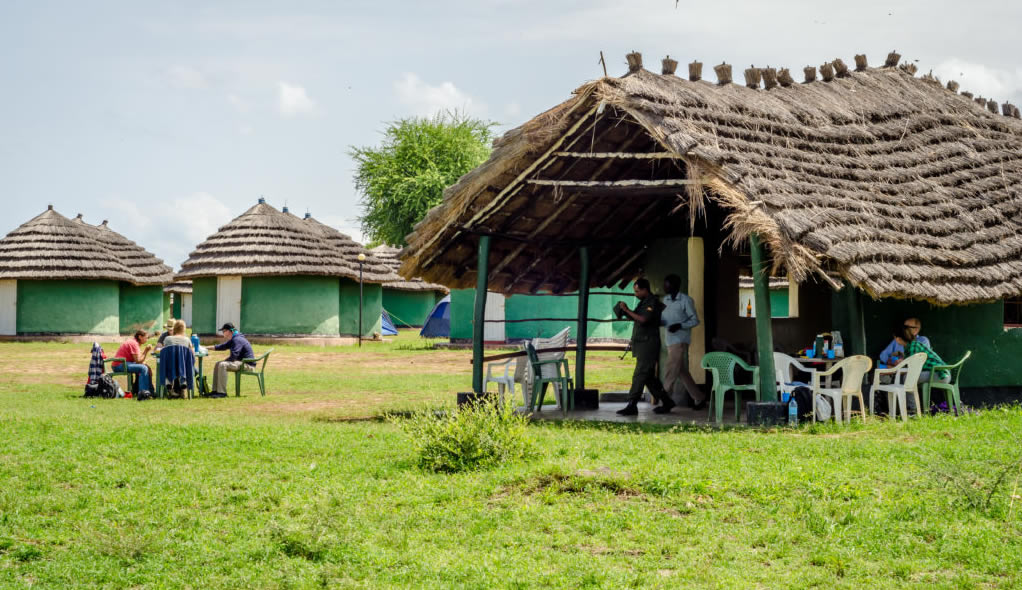 For visitors on safari to Kidepo Valley National Park, the notable accommodation facility for you to spend your overnight stay can be in the Apoka Rest Camp/Lodge, Kidepo Savannah Resort, Buffalo Base Hotel and Ng’a Moru Wilderness Camp. The other option is camping you will need to come along with your own camping gear. Also there are some budget hotels in Kitgum Town.
How to get to Kidepo Valley National Park?
By Road: Kidepo Valley National Park requires the whole day for you to drive from Kampala. It can be reached from Kampala to Lira, Kotido then Kidepo and this is approximately 705 kilometers drive; from Kampala through Mbale to Soroti then to Moroto and finally Kidepo about 792 kilometers; From Kampala through Mbale to Sironko then to Kotido and finally Kidepo National Park about 740 kilometers drive. The most common route is Kampala, Gulu, Kitgum to Kidepo National Park. Visitors are advised to use a 4×4 safari Vehicles so as to navigate through the remotest routes that lead up to the park.
By air, you can fly from Entebbe International Airport or Kajjansi Airstrip to airstrip at Lomej approximately three kilometers south of Kidepo Valley National Park headquarters.
If you are interested in wilderness experiences while on safari in Africa then consider Kidepo Valley National Park a must for you to visit. The park can be visited at anytime of the year!