
Kibale Forest National Park features among Uganda’s ten most spectacular protected areas that you should consider a must-visit while on safari in Uganda. The park features extensive tropical rainforest, grassland and swamps. It covers an area of about 795 square kilometres and stands at an altitude of about 1290 meters in the north and 1100 meters along the Albertine rift valley in the south.
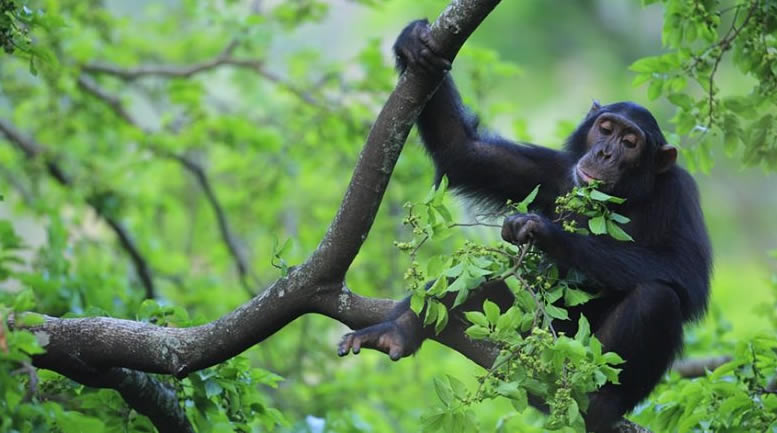
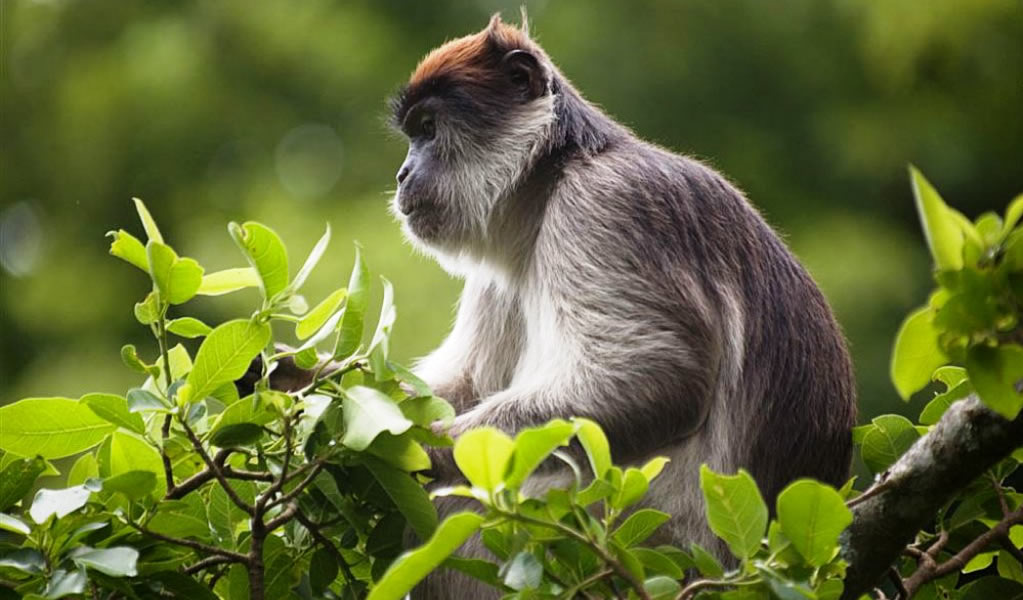
For primate lovers, consider Kibale Forest National Park a must-see on your bucket list. The park boasts 13 distinct primate species, with over 1500 chimpanzees among the 5000 individuals Uganda is known for. Others include the rare L’Hoests, black and white colobus monkeys, red-tailed monkeys, red colobus monkeys, grey-cheeked mangabeys, pottos, blue monkeys, bush babies, baboons and others.
This protected area also shelters about 350 tree species, most of which reach up to 55 meters and are more than 200 years old. It also offers refuge to about 70 distinct mammal species, including forest elephants, buffaloes, leopards, bush pigs, duikers and over 370 bird species, as well as several butterflies, reptiles and amphibians.
The notable bird species at this park include the rare green-breasted pitta, red-faced woodland warbler, black-capped apalis, purple-breasted sunbird, yellow-spotted nectar, brown chested alethe, yellow rumped tinker bird, crowned eagle, black-eared ground thrush, little greenbul, dusky crimson wing, blue-headed sunbird, collared apalis and many more.
Kibale National Park connects to Queen Elizabeth National Park to the south, forming a 180-kilometre-long corridor for wildlife between Ishasha, the remotest southern area of Queen Elizabeth National Park, and the Sebitoli in the north of Kibale Forest National Park. The park is located at the spectacular Ndali-Kasenda Crater Area.
How to reach Kibale National Park?
Situated in the western part of Uganda, Kibale Forest National Park is about 26 kilometres southeast of Fort Portal town. Kanyanchu River Camp (also known as the visitor centre) is the major area where most tourist activities are conducted in the park. It can be reached from the north via Mubende and Fort Portal, and from the south via Mbarara and Kamwenge. The northern route is regarded as the shortest and best, as it is tarmacked and covers about 315 kilometres to Fort Portal, then connects to the Kanyanchu/Kamwenge road, approximately 36 kilometres.
What to do in Kibale Forest National Park?
-
Chimpanzee trekking
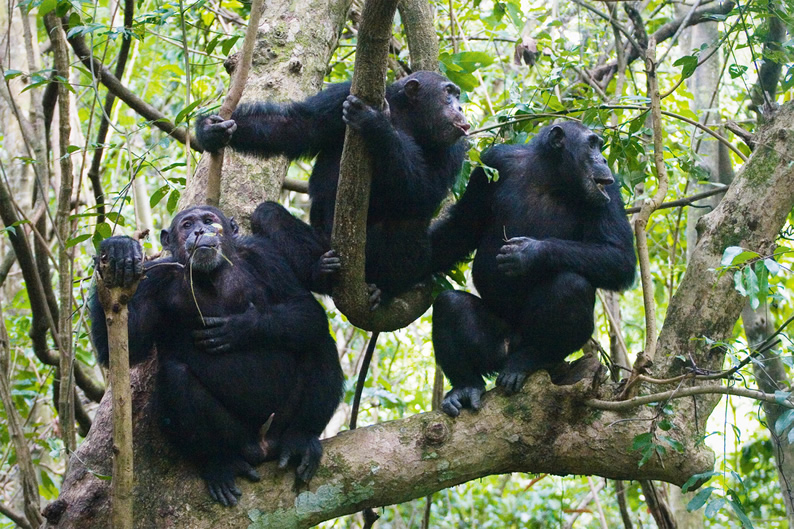
Chimpanzee tracking is the most sought-after primate adventure for most travellers on safari to Kibale Forest National Park. This adventure is conducted in the morning (8:00am) and in the afternoon (2:00pm) at the Kanyanchu visitor centre. Chimpanzees at this park were habituated for visitors to track around 1991, and they can be easily tracked in the jungles of Kibale National Park.
Chimpanzee permits for Kibale National Park cost $150 per visitor, including entrance fees, and to see a group of these spectacular primates, you will have to hike through the forest. This adventure lasts about 2 to 4 hours, depending on where they are found, the nature of the habitat, and visitors’ walking speed. Once you get them, you will spend only an hour sparking your imagination with them and taking as many photos as possible.
-
Chimpanzee Habituation Experience (CHEX)
Besides the usual treks, you can also engage in a chimpanzee habituation experience, also known as CHEX. This chimpanzee adventure allows visitors to spend more time with the chimps in the jungle than in a typical tracking activity. This adventure is usually done year-round and is currently priced at US$400 per person. The activity starts early at 6am, before chimps come out of their nests, and continues until evening, when they return to their nests.
-
Nature walks/forest hikes
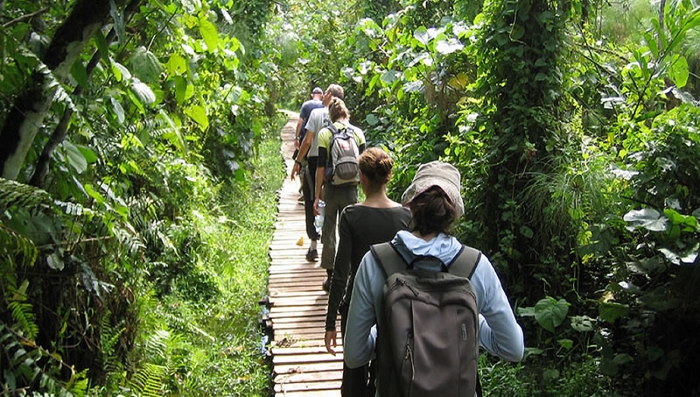
For visitors who wish to explore the park in depth, consider forest walks a must-do on your bucket list. The forest walk at the park is 12 kilometres long and is restricted to the dry months, especially from mid-November to February and June to September. This rewards visitors with remarkable views of the park’s grassland, riverine forest, tropical rainforest and swamps.
Visitors also get a chance to spot most of the park’s avian species and primates, as well as butterflies. The forest walks usually begin at 8:00am and 2:00pm local time. For interested visitors, you are advised to bring some energy-giving snacks, enough drinking water, and other essentials.
-
Night Forest Walks
 There are also guided night walks through Kibale forest to catch up with night dwellers.
Children activities
For children under 15 who are not allowed to go on a chimpanzee trek, there are exciting activities for them to engage in while their parents are on a strenuous chimpanzee trek. Children can visit the forest and explore its remarkable ecosystem with a park guide.
There are also games like batik-making, pond dipping, photography, and cyanotype.
Other activities for you to engage in while on safari in Kibale National Park include cultural heritage and nature trail walks, as well as an absolute walk that lasts 2 to 6 days through the forest. It starts and ends at Kanyanchu or at Sebitoli visitor centre. The walk takes visitors through the forest during the day and in the evening to community-run campsites near the villages of Kikoni, Nyaibanda and Nyakalongo. This also provides you with the opportunity to meet with the Batooro and Bakiga tribes.
Other activities for you to engage in while on safari in Kibale National Park include cultural heritage and nature trail walks, as well as an absolute walk that lasts 2 to 6 days through the forest. It starts and ends at Kanyanchu or at Sebitoli visitor centre. The walk takes visitors through the forest during the day and in the evening to community-run campsites near the villages of Kikoni, Nyaibanda and Nyakalongo. This also provides you with the opportunity to meet with the Batooro and Bakiga tribes.
After or before your chimpanzee adventures at Kanyanchu River Camp, never miss a visit to Bigodi Wetland Sanctuary, just next to the park. This sanctuary lies within Magombe Swamp and is credited for its amazing primates (red-tailed monkeys, black-and-white colobus monkeys, red colobus monkeys), as well as bushbucks, mongooses, sitatungas, and over 138 bird species, all of which can be spotted on guided walks.
Where to stay in Kibale Forest National Park?
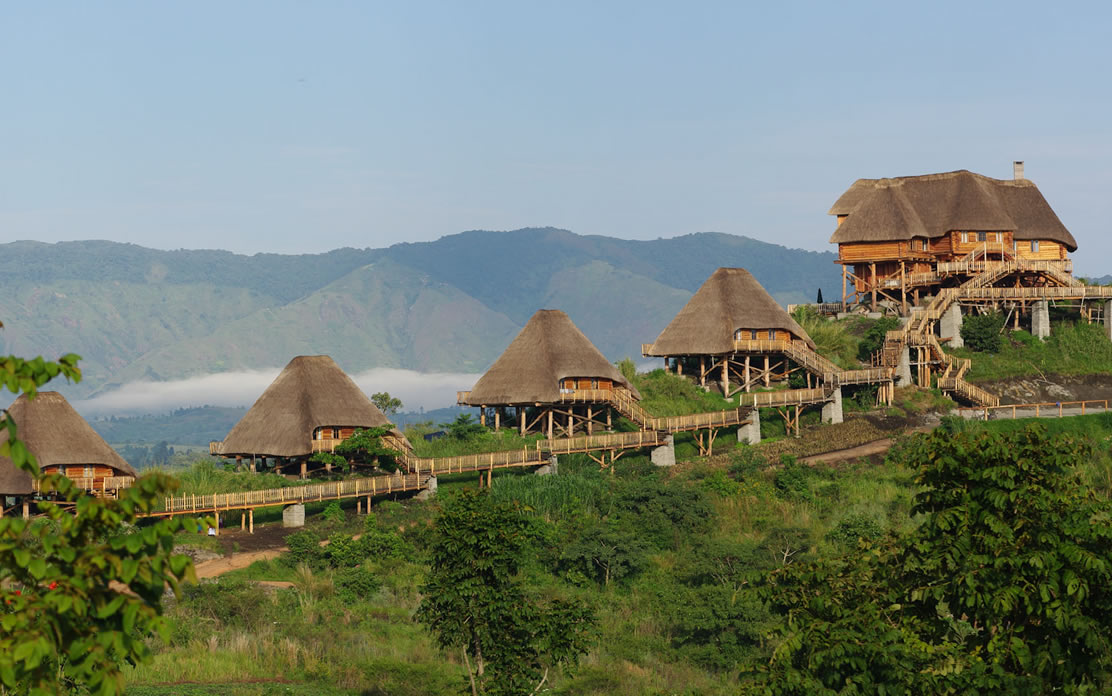 The leading accommodation facilities for you to spend a night while on safari in Kibale Forest National Park include Primate Lodge just next to Kanyanchu visitor center, Ndali Lodge, Kibale Safari Lodge, Kyaninga Lodge, Chimpanzee Guesthouse and others. If you are looking for the best primate destination then consider Kibale Forest National Park a must to visit while you are on your safari in Uganda.
Related Trips
- 3 Day Gorilla Trek
- 3 Day Safari to Kibale National Park
- 3 Day Queen Elizabeth N.p Tour
- 3 Day Safari to Murchison falls
- 3 Day Gorilla Habituation Tour
- 4 Day Flying Safari to Bwindi